Sustainable Ways to Transport Flowers to Events
@vasenotes48
November 25, 2026 · 3 min read
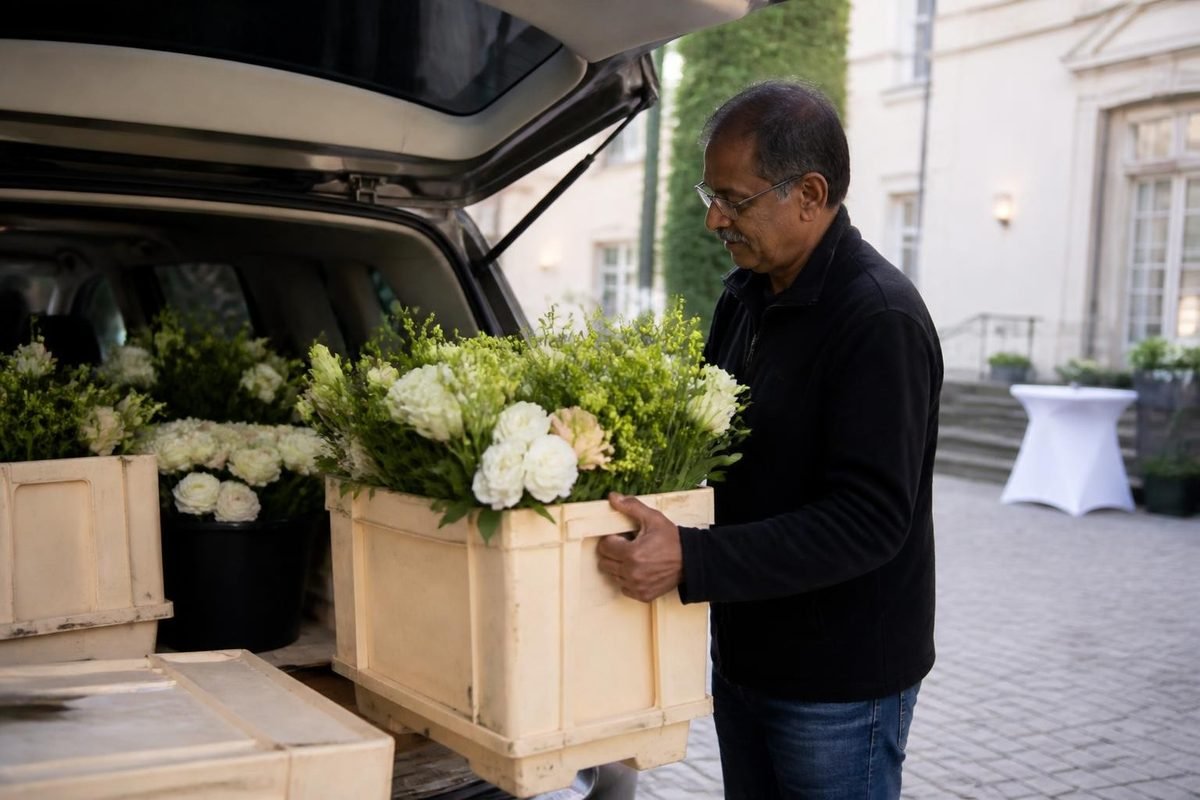
Sustainable flower transport starts with fewer, shorter trips and a vehicle suited to the size of the load. Reusable containers, careful packing and a plan for the return journey can reduce waste while keeping flowers in good condition.
Plan the route and the load
Start with the event schedule and work backward. Find out when the venue accepts deliveries, where vehicles can unload and how much time is available for setup. A clear arrival window helps avoid an extra trip if the doors are still closed or the space is not ready.
Combine flowers, foliage, vases and other supplies in one journey when the vehicle can carry them safely. If several people are delivering materials from the same area, a shared delivery may replace separate trips. Check that everything will fit before the day rather than relying on last minute adjustments.
Choose a vehicle that fits the load instead of automatically using the largest one. An electric vehicle can be an option where its range and charging arrangements suit the route. For a small event close by, a cargo bike may work for compact, securely packed flowers, provided the weather and route allow it.
Flowers grown nearby may require less travel to reach the event, although distance alone does not determine their total environmental impact. Ask growers or suppliers where the flowers come from and how they will be delivered. Seasonal choices may also give you more local options.
Pack for protection and reuse
Damaged flowers create waste, so pack for the actual journey rather than squeezing in as much as possible. Keep buckets upright in sturdy crates and fill gaps so they cannot slide. Use lids or limit the water level where splashing could damage the vehicle or other supplies.
Reusable materials can replace much of the single use packaging. Useful options include:
- Returnable buckets for cut stems and foliage.
- Sturdy crates that can be stacked without crushing flowers.
- Clean cloths or reusable padding to separate fragile containers.
- Reusable ties to keep bundles together without compressing stems.
Keep flowers out of direct sun and away from heat during loading and unloading. For longer journeys or heat sensitive flowers, ask the supplier about suitable temperature control. A cooled vehicle uses energy, but it may be needed to prevent flowers from deteriorating. Avoid leaving a vehicle running unnecessarily while waiting.
Arrange the return journey
Transport does not end when the flowers reach the venue. Agree in advance who will collect buckets, crates and vases, and when they can enter the space. If the delivery vehicle is returning nearby, it may be able to collect reusable items on the same route rather than making a separate journey.
Ask the venue about space for empty containers during the event. Keep them together and label them clearly so they are not mistaken for rubbish. Afterward, sort flowers and foliage according to local composting rules, and keep plastic ties and other noncompostable materials out of the green waste.
A practical plan is often the most sustainable one: carry only what is needed, protect it well and make sure the containers can be used again.
For more detail, see https://greensys2019.org/what-seasonal-really-means-for-cut-flowers-and-how-city/